
Why Modern Cafés and Restaurants Lack Atmosphere

Today, it is almost impossible to walk into a new café or restaurant without noticing the same interior design elements. Neutral color palettes, minimalist furniture, decorative lighting, microcement finishes, natural wood textures, and carefully placed details designed to look “Instagram-worthy.” At first glance, these spaces appear modern, polished, and aesthetically appealing.
Yet despite their visual appeal, many of these interiors leave the same impression they lack character, warmth, and the kind of atmosphere that makes people want to stay longer.
The problem is not the budget, nor the use of expensive materials. The issue goes much deeper. Most modern cafés and restaurants today are designed to look good in photographs rather than function as spaces where people genuinely feel comfortable.
And that is where the biggest difference lies between an interior that simply looks attractive and one that creates real value through atmosphere, comfort, and experience.

Interior Design Is Not Expensive Furniture
One of the most common mistakes I see is the tendency to associate luxury with expensive materials and design trends. As if a space automatically gains quality simply by adding marble surfaces, designer chairs, or statement lighting fixtures.
However, interior design is not defined by individual elements. A successful interior is defined by the way the entire space functions as a whole.
You can have an extremely expensive café or restaurant that still feels cold and uncomfortable. At the same time, you can have a very simple space that people remember because of the atmosphere and the feeling it creates.
Most people cannot explain in architectural terms why a space feels unpleasant. But they notice it immediately. They feel when a space is too loud, when the lighting is harsh, when tables lack privacy, or when the interior feels overly staged and unnatural.
That is exactly why good interior design is never just a visual display of luxury. A well-designed space is one where people naturally feel comfortable, relaxed, and connected to the atmosphere around them.
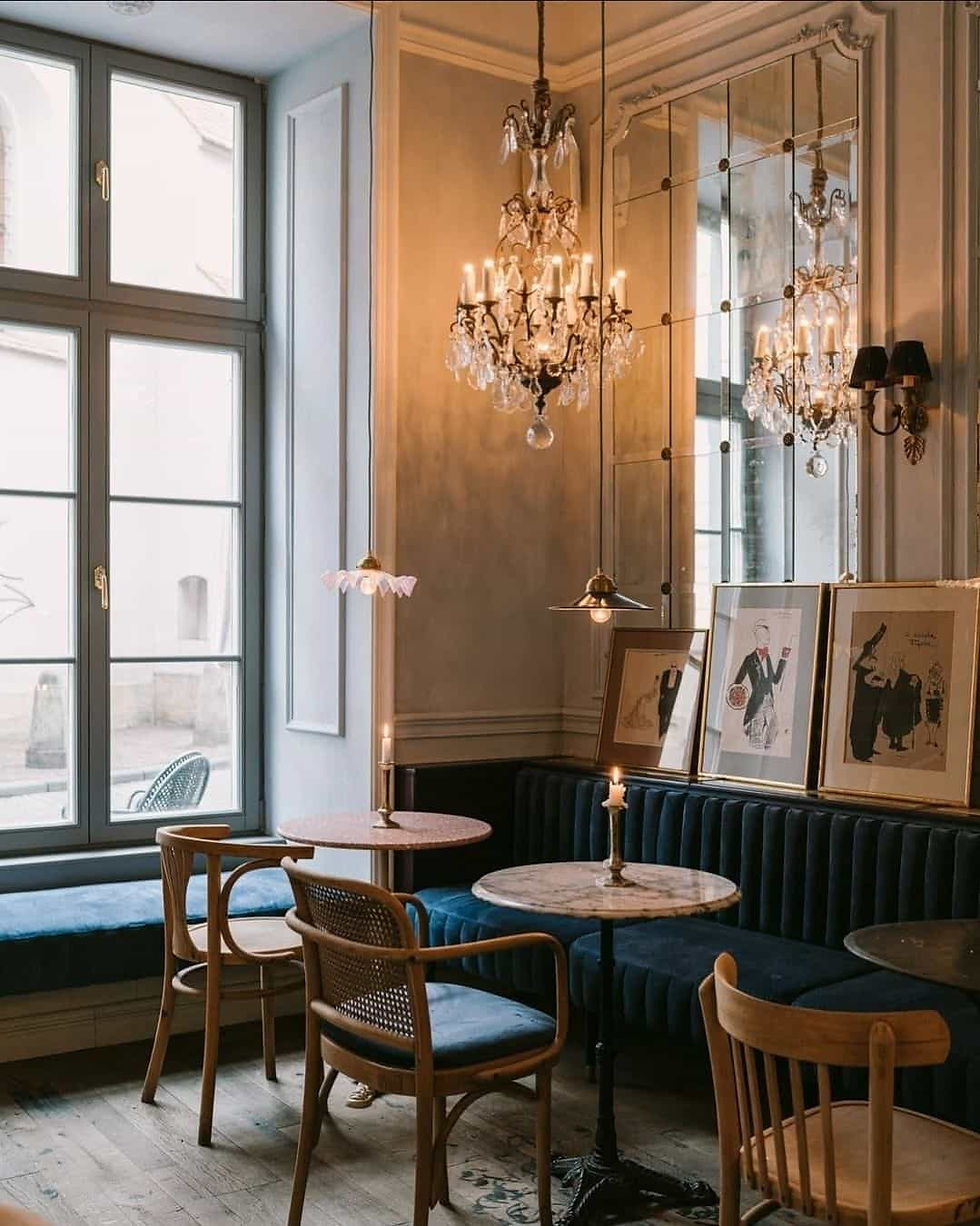
Atmosphere Is Designed
I often hear people say, “This place is missing atmosphere.” But atmosphere is not something that appears by accident after a café or restaurant opens. It is carefully designed from the very beginning.
Atmosphere is created through the relationship between lighting, materials, proportions, acoustics, and the way people move through a space. It comes from the sense of intimacy between tables, thoughtful spatial zoning, and the balance between aesthetics and functionality.
For example, lighting can completely change the perception of an interior. Cool-toned lighting can quickly make a space feel sterile and uncomfortable, regardless of how expensive the furniture is. On the other hand, well-balanced warm lighting can make even a simple interior feel inviting, sophisticated, and luxurious.
The same applies to acoustics. Many cafés and restaurants look impressive when they are empty, but the moment they become crowded, the space turns noisy and exhausting. People may not immediately understand why they want to leave after thirty minutes, but the reason often lies in a poorly designed atmosphere.
A well-designed interior is not experienced only visually. It is something people feel the moment they enter the space.

The Problem With “Instagram Interiors”
Social media has dramatically changed the way cafés and restaurants are designed today. Many hospitality spaces are created around the idea of having one striking visual moment a photo wall, decorative neon signage, an unusual light fixture, or a design feature made to attract attention online.
And in the short term, that approach can work.
The problem begins when the interior becomes nothing more than a backdrop for photos, without any real identity or emotional connection to the space itself.
These venues often lose their appeal very quickly. After the initial attention fades, guests stop feeling connected to the environment because behind the visual effect, there is no genuine atmosphere.
That is exactly why some cafés maintain loyal customers for years, while others despite looking trendier and more expensive lose their energy and recognition within months.
People do not return because of a single photograph. They return because of the way a space makes them feel.

The Most Common Mistakes I Notice in Cafés and Restaurants
One of the biggest mistakes I notice is the excessive use of decorative details. When an interior tries to capture attention in every corner, the space quickly becomes visually overwhelming. Good design always has balance and a clear focal point.
Another common issue is poor seating layout. Many owners try to fit as many tables as possible into the space, but in doing so, they sacrifice the comfort that is essential to the guest experience. People naturally seek a sense of privacy, even in public environments.
I also frequently see interiors that completely copy design trends without creating any real identity. When you walk into ten different cafés and feel like you are sitting in the exact same space every time, it means the interior has failed to develop its own character.
And character is precisely what separates a venue that feels forgettable from one that people genuinely remember.

People Remember Feelings, Not Details
Very few guests will notice the type of stone used in your interior or how expensive the chairs were. But almost everyone will remember how the space made them feel.
Did they feel comfortable? Did they want to stay longer? Did the atmosphere create a sense of warmth, calmness, and comfort?
These are the elements that define the quality of a café or restaurant far more than decorative details ever could.
The most successful hospitality spaces are not necessarily the ones with the biggest budgets. The most successful are the ones with a clear identity and an atmosphere that people genuinely want to return to.

Good Interior Design Is an Investment, Not an Expense
When an interior is thoughtfully designed, people stay longer, return more often, and naturally build a connection with the space. That is why good interior design is not simply an aesthetic luxury it is a powerful business tool.
A space directly influences how people perceive a brand, the quality of service, and the overall experience of spending time in a café or restaurant.
And that is why the difference between an average venue and an exceptional one is rarely about how much money was invested. More often, it comes down to how intentionally and intelligently the space was designed.
Because in the end, people may visit a place because of the interior they saw online. But they only stay in spaces that have real atmosphere.
The photographs used in this article were sourced from publicly available platforms and are used exclusively for inspirational purposes.


Comments