
What determines the cost of design? a detailed guide for anyone planning a renovation

Updated: Mar 19
In this blog, you won’t find a price per square meter. Instead, you’ll learn how that price is formed and what it actually depends on.
When people plan a renovation or the design of a new space, one of the first questions they ask a designer is: “How much does it cost?”Although it sounds simple, the answer is never universal. Unlike materials that have a fixed price per square meter, interior design and architectural services don’t follow a standard rate, because every space, client, and project requires an individual approach.
In this guide, we explain what determines the cost of design and why it’s impossible to give one single price in advance.

1. Every space is different, which is why the price varies
There are no two identical apartments, houses, or commercial spaces. The differences can be significant, including:
room layout
ceiling height
amount of natural light
existing installations
structural elements that limit changes
specific client requirements
The more complex a space is, the more time and detailed planning the design process requires — and that directly affects the cost of design.

2. Scope of work: what are we actually trying to achieve?
The price depends on what exactly the client expects from the designer. Some people only need advice, while others want a complete visual and technical project from start to finish.
The most common levels of service include:
consultations (lowest cost)
2D layout and space planning
3D visualizations
full technical project
furniture and material specifications
site supervision and coordination of works (most time-consuming and most costly)
The larger the scope of work, the higher the price.

3. Style, materials and aesthetics affect the complexity of the project
A minimalist space with clean, simple lines can be completed much faster than a space that requires:
custom-made furniture
detailed decorative wall treatments
complex lighting plans
multiple material combinations
If a client wants a unique, fully personalized design, more research, material testing, and technical preparation are needed - all of which influence the final cost.

Deadlines
If a client needs a project “as soon as possible” or has a very tight deadline, it often requires:
more intensive work
additional working hours
reorganizing other ongoing projects
Rush projects come at a higher cost because they require priority treatment.
5. Location of the property
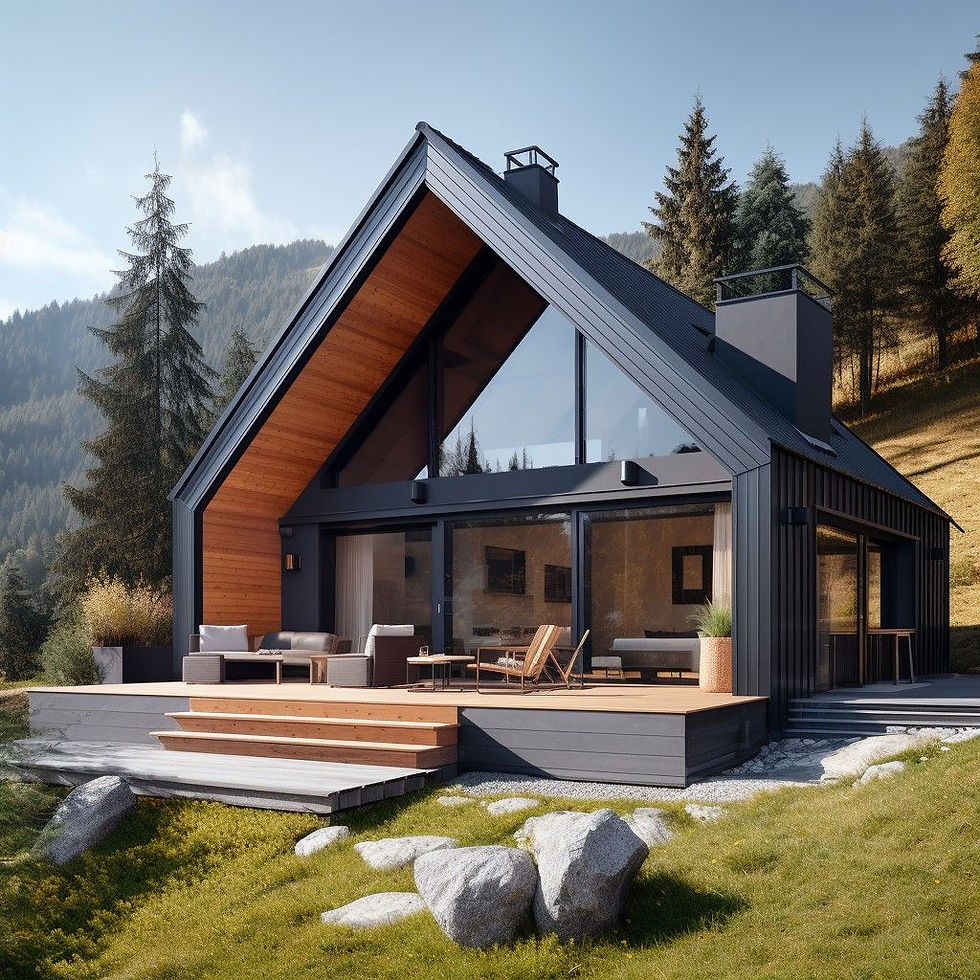
Location often affects the complexity of a project - not only due to urban standards but also because of logistics. If the property is outside the city or in a hard-to-reach area, the architect or designer will need more time for site visits, coordination, and on-site communication.
More remote locations can also mean additional travel costs, as well as extra time allocated for organizing and overseeing the work.
6. How detailed does the project need to be?
Some clients prefer just a basic concept, while others want:
installation plans
lighting plans
detailed technical drawings
a shopping list
high-resolution 3D renders
supervision of every stage of the work
The more detailed the documentation, the larger the project, the higher the cost.
Why it's important to understand how the price is formed?
When clients understand the process, they can better recognize the value of professional design.
A good architect or designer doesn’t just sell a “drawing”; they:
save time
save money (by preventing mistakes)
improve functionality
provide a clear vision for the space
facilitate communication with contractors
assist with sourcing materials
create a space that’s comfortable to live in
That’s why the price isn’t calculated per square meter, but based on the value provided.

The cost of design isn't a number - it's a process
Interior design and architectural work do not have a predetermined cost.
Every project is unique, and the price is determined by factors such as:
the space itself
the scope of work
client expectations
style
deadlines
technical complexity
When you understand these factors, it becomes much easier to plan a renovation and achieve the best possible result.
If you are a client planning changes, the best first step is always a short conversation with an architect or designer to define your needs and receive a realistic quote.
*The photos in this article were taken from publicly available sources and are used for inspirational purposes only.


Comments